 |Free shipping on orders over 300 SAR|
 Book an appointment with our VIP service
 Save a life by learning first aid



Blog
Join Our Journey – Be Part of the Coral Beach Crew
December 17, 2025 Coral Beach
Essential First Aid in Drowning Situations
Drowning is a silent emergency and is often misunderstood. It can happen within seconds and is the third leading cause of death worldwide, particularly among young children. Knowing how to respond immediately can make the difference between life and death.
Drowning is defined as a respiratory impairment caused by full or partial submersion in a liquid. Drowning incidents vary and often follow unique chains of events. For example, drowning may occur when a driver experiences a medical emergency, loses control of their vehicle, and veers off the road into water. It can also happen when someone participating in water sports encounters unexpected conditions, becomes exhausted while struggling against them, loses consciousness, and submerges.
Drowning may be immediate, where the victim is pulled from the water without signs of life and does not respond to CPR. It may also be delayed, where the victim appears responsive or semi-responsive after rescue but later dies due to complications caused by inhaling water. (Previously referred to as “delayed drowning” or “secondary drowning,” but now considered simply another form of drowning.)
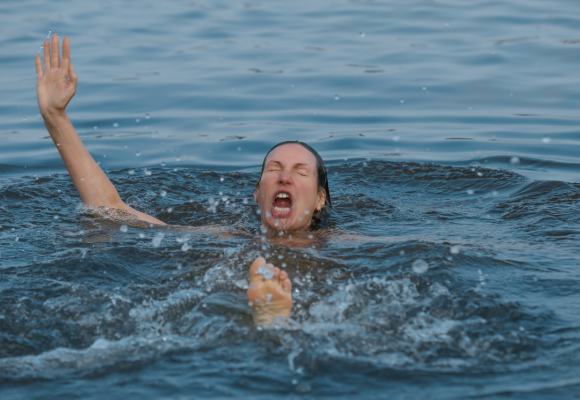
Although many people imagine a drowning victim as someone loudly calling for help and struggling dramatically, in reality a drowning person often cannot call for assistance. Drowning usually happens quietly, as the individual struggles to stay afloat while trying to breathe. Therefore, rescue depends heavily on recognizing the signs and responding quickly.
Drowning Chain of Survival
1. Watch for the following signs and symptoms:
- Head tilted back with mouth open as the victim struggles to keep their head above water.
- Eyes wide, glassy, or unfocused.
- Gasping for air or difficulty breathing normally.
- Random arm movements or attempts to push against the water to stay afloat.
- Inability to move or very slow movements in the water.
If you observe any of these signs, act immediately. However, as with all rescue situations, always ensure your own safety first before attempting to help.
2. Prevent drowning from occurring in the first place.
Prevention includes teaching children how to swim and practice water safety, installing barriers around swimming pools, supervising children at all times near water, and assessing water conditions before entering.
Provide flotation devices with rescue ropes and other lifesaving equipment such as an Automated External Defibrillator (AED) in visible and easily accessible locations.
3. Recognize the emergency and call for help.
Drowning is a medical emergency and must be treated as such. Ask someone to contact emergency medical services and bring an AED while you or another person assists the victim.
4. Provide flotation to prevent further submersion.
- If possible, from a stable position reach out and pull the victim to safety.
- If they are out of reach, extend a long object such as an oar, branch, or rescue pole for them to hold.
- If reaching the water is not possible, throw a flotation device such as a life jacket, ring buoy, or even an improvised floating object like a sealed empty plastic bottle.
- If you must enter the water and are trained to do so, approach the victim from behind.
5. Remove the victim from the water and provide care.
Once out of the water, assess the victim using the AB-CABS approach and respond appropriately.
- If the victim is unresponsive and not breathing, open the airway and provide five initial rescue breaths.
- Primary respiratory arrest can lead to cardiac arrest due to severe lack of oxygen, so continue monitoring and begin CPR if necessary.
- Be aware that many drowning victims may vomit, so be prepared to turn them onto their side to clear the airway.
- If the victim begins to show signs of responsiveness—such as opening their eyes, breathing normally, making sounds, or coughing—stop rescue breaths and chest compressions immediately.
- Begin treating the victim for hypothermia.
- If the victim is unconscious but breathing, place them in the recovery position with the head lower than the body.
Drowning can cause delayed complications due to water inhalation into the lungs hours after the incident. Therefore, always seek medical care even if the victim appears to have fully recovered.
6. Keep the victim warm.
Drowning victims are at risk of hypothermia, even if the water is not extremely cold. Remove wet clothing when possible and provide dry clothes, towels, blankets, or jackets. Even body heat can help keep the victim warm until medical help arrives.
Why Provide Initial Rescue Breaths?
In cardiac arrest cases outside the water, the body usually still contains enough oxygen that can circulate through chest compressions during CPR.
However, drowning differs because it involves primary hypoxia (lack of oxygen) which may lead to respiratory arrest. Extended submersion may deplete the body’s oxygen reserves, meaning chest compressions alone may circulate oxygen-poor blood.
Providing rescue breaths quickly can often restore signs of life in drowning victims, which means chest compressions may not always be necessary. Survival rates for victims experiencing respiratory arrest alone can reach up to 90% when rescue breaths are provided ly.
For this reason, the five initial rescue breaths are critical in drowning cases and should be prioritized even before using an AED.
An AED becomes essential if the victim does not respond to rescue breaths, as this may indicate cardiac arrest. The device can restore a normal heart rhythm if the heart is in ventricular fibrillation and the rhythm is shockable.
Full Submersion vs Partial Submersion
The amount of oxygen in the body and the condition of the heart can be affected by the type of drowning incident.
Full Submersion
Full submersion means the airway is underwater and the victim cannot access fresh air.
Prolonged submersion leads to oxygen deprivation and acidosis, which may cause irregular heart rhythms. The progression may move from rapid heart rate due to stress, to slowed heart rate due to the mammalian diving reflex, then to pulseless electrical activity (PEA), and eventually cardiac arrest.
Cold water can intensify these effects because hypothermia itself may cause heart rhythm disturbances.
First aid should focus on quickly removing the victim from the water, assessing breathing, providing five rescue breaths, and performing CPR if necessary.
Partial Submersion
Partial submersion generally means the mouth and nose remain above water while most of the body is submerged. This condition may lead to hypothermia.
Cold water can rapidly lower body temperature, making it difficult for the victim to remain afloat and potentially leading to drowning later.
In some cases, extreme cold may slow the heart rate, which can occasionally improve survival chances during extended immersion.
Cold water can also trigger the cold shock response (rapid breathing and increased heart rate) and the mammalian diving reflex (slowing of the heart when the face is submerged). These responses may disrupt normal heart rhythms and potentially lead to arrhythmias.
Laryngospasm—a reflex that prevents water from entering the lungs—may also cause suffocation if it persists.
First aid should again focus on quickly removing the victim from the water, assessing breathing, providing five rescue breaths, and performing CPR with an AED if needed. If the patient is unconscious but breathing, place them in the recovery position.
Drowning is a tragic event, but fast and effective first aid can save lives. Understanding the fundamentals of rescue and CPR equips students with the tools needed to respond to such emergencies.
Always prioritize rescuer safety, call for help, and be prepared to act quickly. Rapid action can make the difference between life and death for a drowning victim. These procedures should be included in your EFR® training programs.
First Breath: Why Do We Dive?
July 24, 2025 Coral Beach
First Breath: Why Do We Dive?
On an inspiring evening, sea lovers and adventure enthusiasts gathered in the Eastern Province for a unique cultural event titled “First Breath… Why Do We Dive?”. The event was organized by Coral Beach Diving as part of the campaign “When Was the Last Time You Did Something for the First Time?”, led by certified instructor Saleh Al-Saleh.
The discussion began with a simple yet powerful question:
Why do we dive?
Why Do We Dive?
The conversation opened with honesty and transparency about the reasons that encourage people to experience diving:
- Escaping the pressures of daily life.
- Discovering a new world beneath the surface.
- Building self-confidence and learning unforgettable skills.
- Experiencing the indescribable moment of taking the first breath in the silent underwater world.
The Moment of the First Breath
Everyone who attended agreed on one thing: the first breath underwater is not an ordinary moment.
It is a moment where time seems to pause, noise fades away, and you truly feel that you have become part of the ocean’s world.
The sensation of weightlessness, the first heartbeat of excitement, and the first glimpse of fish and coral reefs—these moments remain forever engraved in memory.
Types of Divers
During the session, we explored different types of divers and discovered that many of us could see ourselves in them:
- The Adventurer, always searching for the next thrill.
- The Peace Seeker, diving to find calm and tranquility.
- The Photographer, who views the ocean as a living work of art.
- The Environmental Explorer, passionate about protecting the treasures of the sea.
Diving in Saudi Arabia: A Unique Opportunity
The conversation also highlighted the incredible opportunities for diving within the Kingdom:
- Our coasts are rich with beauty and extraordinary marine resources.
- There is strong national support for the development of this sector.
- Marine tourism is rapidly emerging as a real opportunity for careers and investment.
Ready to Begin Your Journey?
If you are asking yourself, “How do I start?”, the answer is simple:
Enroll in an Open Water Diver course and take your first breath underwater with a certified instructor at Coral Beach Diving.
What Did We Offer During the Event?
✅ An open discussion session with certified instructors
✅ A clear explanation of the learning path for new divers
✅ Exclusive offers for participants who registered during the event
✅ Most importantly: a supportive community that shares the same passion for diving
📍 Follow us for more upcoming events and activities.
Choking in Infants, Children, and Adults
July 21, 2025 Coral Beach

On an informative and awareness-filled evening, instructor Mohammed Al-Sudairi delivered a lecture titled “Choking in Infants, Children, and Adults” as part of the Coral Beach Meetups series.
Participants attended a focused session where they learned the essential steps for rapid response during emergencies and how to potentially save a child’s life within seconds.
What made the session particularly valuable was that it was not limited to theoretical discussion. It included practical demonstrations and real-life examples drawn from extensive field experience.
Many attendees shared that the lecture completely changed their perspective on how to handle emergency situations at home.
If you missed this session, make sure you don’t miss the upcoming meetups.
Each event we host is a step toward greater safety for your family, community, and workplace.
Register your interest through our website and become part of a generation that knows how to act when every second counts.
Let’s Talk About CPR
July 15, 2025 Coral Beach
An Unforgettable Thursday Night
In the heart of Ibn Khaldoun District in Dammam, we gathered for an important purpose:
How can you save a life? How can you become the difference between life and death in a single moment?
At 7:00 PM, under the theme “Let’s Talk About CPR”, we launched a community awareness event led by certified instructor Mohammed Al-Sudairi from Coral Beach Diving Center. The event was part of a special initiative organized by Dammam Social Enterprise.
What Happened?
The session began with a simple but powerful scenario:
A person lying on the ground, motionless, while people around them stood frozen, unsure of what to do.
Then the instructor asked loudly:
“What is the first thing you would do?”
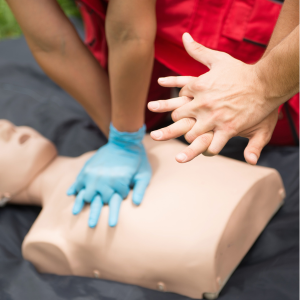
Without any introduction, we moved straight into an engaging real-life simulation of Cardiopulmonary Resuscitation (CPR).
Participants learned:
- How to check for consciousness and breathing
- When to start chest compressions
- The correct compression depth
- When to stop CPR
- The role of an AED (Automated External Defibrillator)
Interactive Challenges
The session included fast-paced questions that energized the crowd:
- “You have five seconds to answer… when should you stop CPR?”
- “How many compressions should be performed per minute?”
- “Do you have to be a doctor to start CPR?”
The audience quickly became fully engaged, and everyone wanted to learn more.
Unforgettable Moments
There were people ing the event, others laughing and enjoying the experience, and many participants who had never heard of CPR before — but left inspired to become trained responders themselves.
What Participants Said After the Event
“This is the first time I’ve attended a session where I truly felt I could save someone’s life.”
“The presentation was incredibly engaging — not just theoretical talk.”
“If there’s a second session, I’ll definitely be there!”
If You Missed It…
You missed a lot — but it’s not too late!
Stay tuned for our next meetup, which will feature:
- Even stronger real-life simulations
- Deeper and more practical content
- A unique social learning environment you won’t find anywhere else
Register your interest on our website — the best is yet to come.
The D-Loop
April 24, 2025 Coral Beach
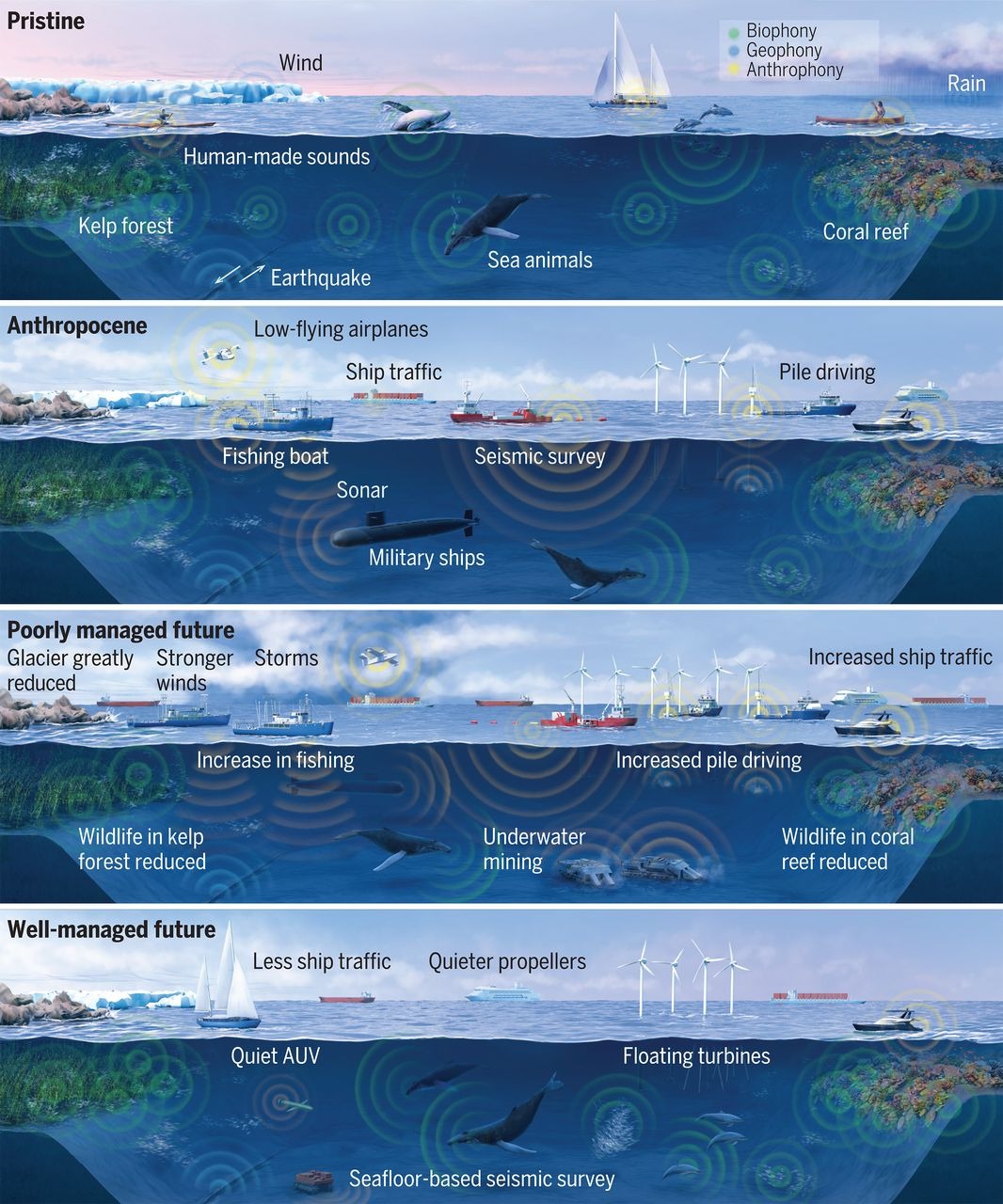
The D-Loop: Listening to the Ocean
Since the beginning of history, the sea has been a world of mystery and secrets—rarely seen in full by the naked eye, yet deeply felt… and heard.
In this vast blue world, marine creatures communicate through the language of sound. Waves, pulses, echoes, and clicks together form a complex system of communication within the ocean.
Sound Underwater: A Medium for Life and Navigation
Unlike on land, sound travels faster and over longer distances underwater. Whales, dolphins, and many marine predators rely on sound to communicate, hunt, and even navigate through the depths.
Recent studies indicate that natural ocean sounds—such as whale calls, the crackling of coral reefs, and the movements of fish—create a kind of “environmental music.” These soundscapes help maintain ecological balance and influence the movement and stability of marine life.
Scientific Reference:
Kaplan, D. M., et al. (2021). Marine Soundscapes and Ecological Interactions. Journal of Marine Science.
Why Does Coral Beach Care About Sound?
Through our project “Voices of the Depths,” we record and share authentic sounds from real diving expeditions. Our goal is not only ation, but also to convey the feeling of being underwater and connect people with the ocean—even if they have never worn a diving suit.
We want people to hear how a diver feels beneath the surface.
To experience what it is like to move through silence…
and listen to the rhythm of their own heartbeat in a world that speaks only through echoes.
Can Sound Help Us Understand the Ocean Better?
The answer is yes.
Sound is an invisible window into environments we cannot always access. Listening to the voices of the deep enhances our awareness of the importance of protecting marine life and brings us closer to a world that may be hidden from sight—but continues to live and breathe through sound.
Our First Experience: A Diver’s Sound in the Depths
During one of our regular training dives in the Arabian Gulf, we recorded the moment a diver descended to a depth of more than 20 meters.
What you hear is not just bubbles or the pressure of water…
It is the sound of a human connecting with the ocean—the transition from a crowded world to a quiet one that gently embraces everything within it.
The recording was captured using highly sensitive hydrophones, allowing us to the finest details of underwater sound: the diver’s breathing, the movement of fins, the interaction of air with water, and the subtle changes in tone as the diver descends deeper.
Listen… and Dive with Us
We invite you to experience something unique.
Press play, close your eyes, and imagine yourself slowly descending into a calm blue depth.
Did you feel the stillness?
The awe?
The connection?
https://www.instagram.com/reel/DI0iTidAkr1/?igsh=MWU1MzN5bm9yejFoMA==
We will continue to add more recordings as they become available and share them through our Instagram account:
Coral.Beach.KSA
Beyond Sound
The “Voices of the Depths” project is more than an artistic initiative—it is an invitation to reflect and rediscover our relationship with nature from a new perspective: the perspective of sound.
We believe that what we hear can change how we see the world.
And when people truly listen to the ocean…
the sea may reveal its greatest stories.
Exclusive Discounts for Corporate Employees
April 12, 2025 Coral Beach

Exclusive Discounts for Corporate Employees
At Coral Beach Diving, we take pride in building strong partnerships with leading companies across the Kingdom. As part of these partnerships, we offer exclusive discounts for their employees on our certified diving training programs.
Our goal is to make the world of diving accessible to everyone in a professional and exciting way, and we invite employees to take advantage of this unique opportunity. 🔥
Special Offer: 20% Discount on All Training Courses
- ARAMCO Employees – Code: ARAMCO20
- SABIC Employees – Code: SABIC20
- STC Employees – Code: STC20
How to Benefit from the Discount
- Choose your training course through our website or by visiting the center.
- Present your employee ID or proof of employment with the company.
- Use the discount code during registration or inform our staff at the center.
Then begin your journey toward becoming a certified diver.
Is Your Company Not on the List?
We are always happy to expand our partnerships. If you represent an organization or would like your company to join our partnership program, please contact us at:
📧 [email protected]
📞 0501058855
Our team will be happy to connect with you and provide a custom offer for your organization.
We serve you with passion—and dive with you with even greater passion.
Educational Diving Cards: An Underwater Experience… and a Distinction on Land!
April 10, 2025 Coral Beach
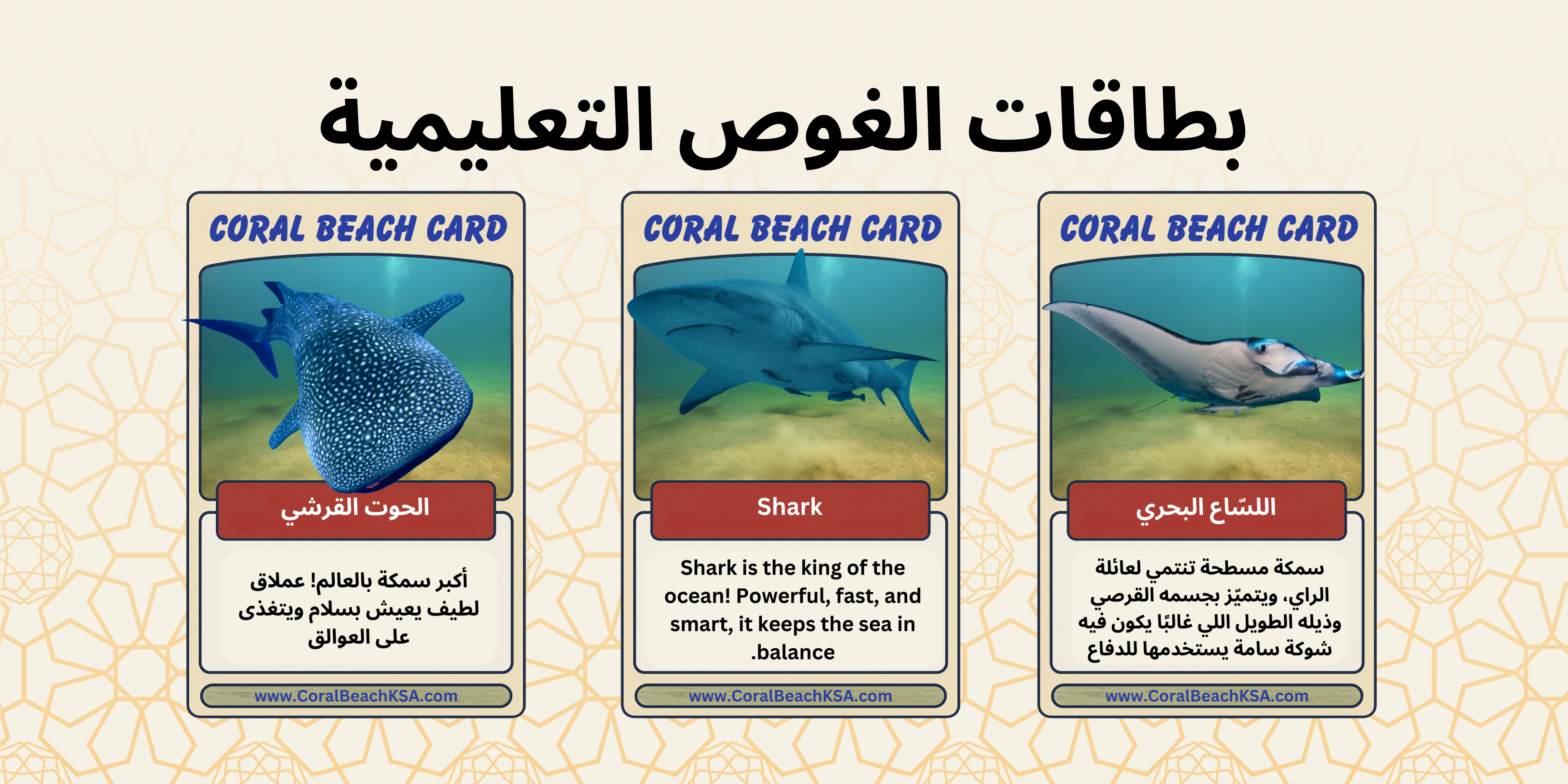
Educational Diving Cards: An Underwater Experience… and a Distinction on Land!
In the world of diving, the experience doesn’t begin when you enter the water, nor does it end when you leave the sea.
True diving begins with knowledge, grows with passion, and stays forever in memory.
With this philosophy in mind, we launched the Educational Diving Cards — a unique series that blends attractive design with simplified knowledge, becoming a companion for divers on their journey into the depths.
What Are Educational Diving Cards?
They are original plastic cards, designed in collectible card sizes. Each card features an engaging marine-related topic, such as:
- Marine life and coral reefs from the Red Sea and the Arabian Gulf
- Essential diving equipment
- Underwater hand signals
- Unique diving sites in Saudi Arabia
- And many other topics that help learners discover, engage with, and deepen their connection to the diving world.
Why Own These Cards?
Because they are more than just cards:
- Elegant artistic design that you can collect or gift
- Simple and useful educational information suitable for everyone
- A personal identity that distinguishes you as an aware and passionate diver
- Access to real benefits and privileges
What Are the Benefits?
Anyone who owns the original plastic edition of the cards can enjoy:
- Exclusive discounts on diving and first aid courses
- Entry into monthly draws for free training courses
- Priority registration for diving trips and marine activities
Owning the card means joining a circle of enthusiasts — divers and first responders who share passion, knowledge, and appreciation for the ocean.
How Can I Get the Cards?
You can easily receive them:
- From your instructor during your next training course
- During one of our diving trips
- By visiting our center in Dammam, Eastern Province
Your Card… Dives with You
Every card holds a story.
Every piece of knowledge carries depth.
And within every diver lies a distinction waiting to be discovered.
Join the world of Educational Diving Cards, and let diving become a way of life… not just an experience.
A Smart Investment for Individuals and Organizations
April 6, 2025 Coral Beach

In today’s modern work environment, renewing first aid training is no longer viewed as a routine administrative requirement. Instead, it has become an essential part of developing a safer workplace and building a more aware and responsible community.
First: The Direct Benefit for Individuals
Renewing first aid training provides individuals with several key advantages:
- Greater confidence when dealing with emergencies, whether at work or in daily life.
- Updated knowledge based on the latest internationally recognized guidelines (such as AHA or EFR recommendations). Rescue protocols are updated every few years to reflect the latest scientific research.
Source: AHA Guidelines 2020. - A stronger sense of social responsibility, along with the ability and readiness to potentially save a life.
Second: The Impact on Companies and Organizations
When organizations adopt a regular first aid training renewal program, they gain multiple benefits:
- Improved workplace safety, reducing the risk of injuries or preventing minor incidents from escalating into critical situations.
- Compliance with occupational safety requirements set by regulatory authorities such as OSHA and local safety organizations.
Source: OSHA First Aid Standards. - A stronger organizational reputation as a workplace that genuinely cares about the safety and well-being of its employees.
Third: How This Step Improves the Workplace and Society
Promoting health and safety awareness among employees helps:
- Create a more cooperative and safety-conscious work environment.
- Reduce pressure on emergency services, as trained individuals can handle minor emergencies quickly and effectively.
- Encourage employees to become positive role models in their communities, capable of responding to emergencies even outside the workplace.
Fourth: The Positive Psychological Impact
Many overlook the psychological benefits of regularly renewing such training programs. These include:
- Improved employee well-being, as individuals feel part of a structured and caring work environment.
- Higher morale and stronger job engagement.
- Reduced anxiety in emergency situations, leading to better overall performance.
Conclusion
Renewing first aid training is not just a training procedure—it is a strategic investment that benefits individuals, organizations, and society as a whole.
The more companies commit to this practice, the more they contribute to building a healthier, safer, and more supportive work environment, both physically and psychologically.
Comparison Between DAN, BLS, EFR, and First Responder Courses
March 16, 2025 Coral Beach
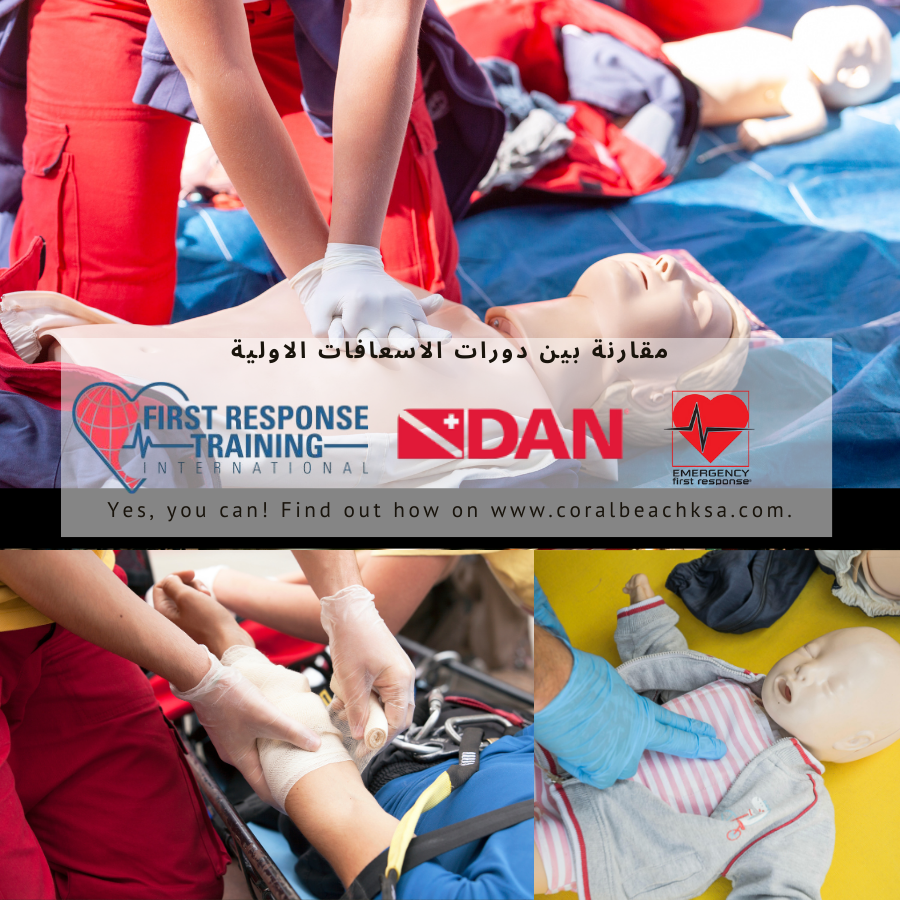
When discussing training courses in first aid and resuscitation, four important programs often stand out: Basic Life Support (BLS), Emergency First Response (EFR), SDI First Response, and Divers Alert Network (DAN) courses.
Below is a clear comparison to help you choose the course that best suits your needs.
1. Basic Life Support (BLS)
Providers:
American Heart Association (AHA), European Resuscitation Council (ERC), and the Saudi Society of Emergency Medicine.
Course Content:
- Cardiopulmonary resuscitation (CPR) for adults, children, and infants
- Use of the Automated External Defibrillator (AED)
- Management of airway obstruction (choking)
- Team-based resuscitation techniques for healthcare providers
Target Audience:
Healthcare professionals such as paramedics, doctors, and nurses.
Focus:
Advanced resuscitation skills for cardiac and respiratory arrest.
Certification Requirement:
Often mandatory for medical and healthcare professions.
2. Emergency First Response (EFR)
SDI First Response
Providers:
Global PADI Emergency First Response organization and SDI First Response.
Course Content:
- Basic first aid (wounds, bleeding, fractures, burns)
- General CPR training
- Primary assessment of injured persons and emergency response
- Use of basic first aid equipment
Target Audience:
non-medical individuals such as instructors, teachers, divers, and members of the public.
Focus:
Practical first aid skills for everyday emergencies.
Certification Use:
A general qualification often used in diving, travel, education, and community programs.
3. DAN Courses (Divers Alert Network)
Provider:
DAN, an international organization specializing in diver safety and medical support.
Course Content:
- Advanced first aid training
- Management of diving-related injuries such as Decompression Sickness (DCS)
- Use of emergency oxygen for divers
- Advanced CPR and emergency response
Target Audience:
Divers, dive instructors, travelers, and responders working in marine environments.
Focus:
Specialized first aid for diving accidents and maritime emergencies.
Certification Use:
Highly valuable for divers and adventure professionals, but not a replacement for BLS in medical environments.
Key Differences Between the Courses
- BLS: Focuses on professional CPR and cardiac resuscitation; required for healthcare workers.
- EFR / SDI First Response: General first aid training suitable for everyday emergencies and for the public.
- DAN: Specialized training for diving accidents and marine-related emergencies.
Conclusion
- If you are a healthcare professional or need advanced resuscitation skills, BLS is the best choice.
- If you want a general first aid course suitable for everyone, choose EFR or SDI First Response.
- If you are a diver or work in marine environments, DAN courses are the most appropriate—especially when combined with EFR or SDI training for comprehensive preparation.
Choosing the right course depends on your goals and the environment in which you operate. Take time to define your needs and select the program that best prepares you for emergencies.
At Coral Beach Diving, we offer a wide range of certified training programs designed to equip you with the skills and confidence to respond when it matters most.
Diving in the Silfra Fissure!
November 14, 2025 Coral Beach
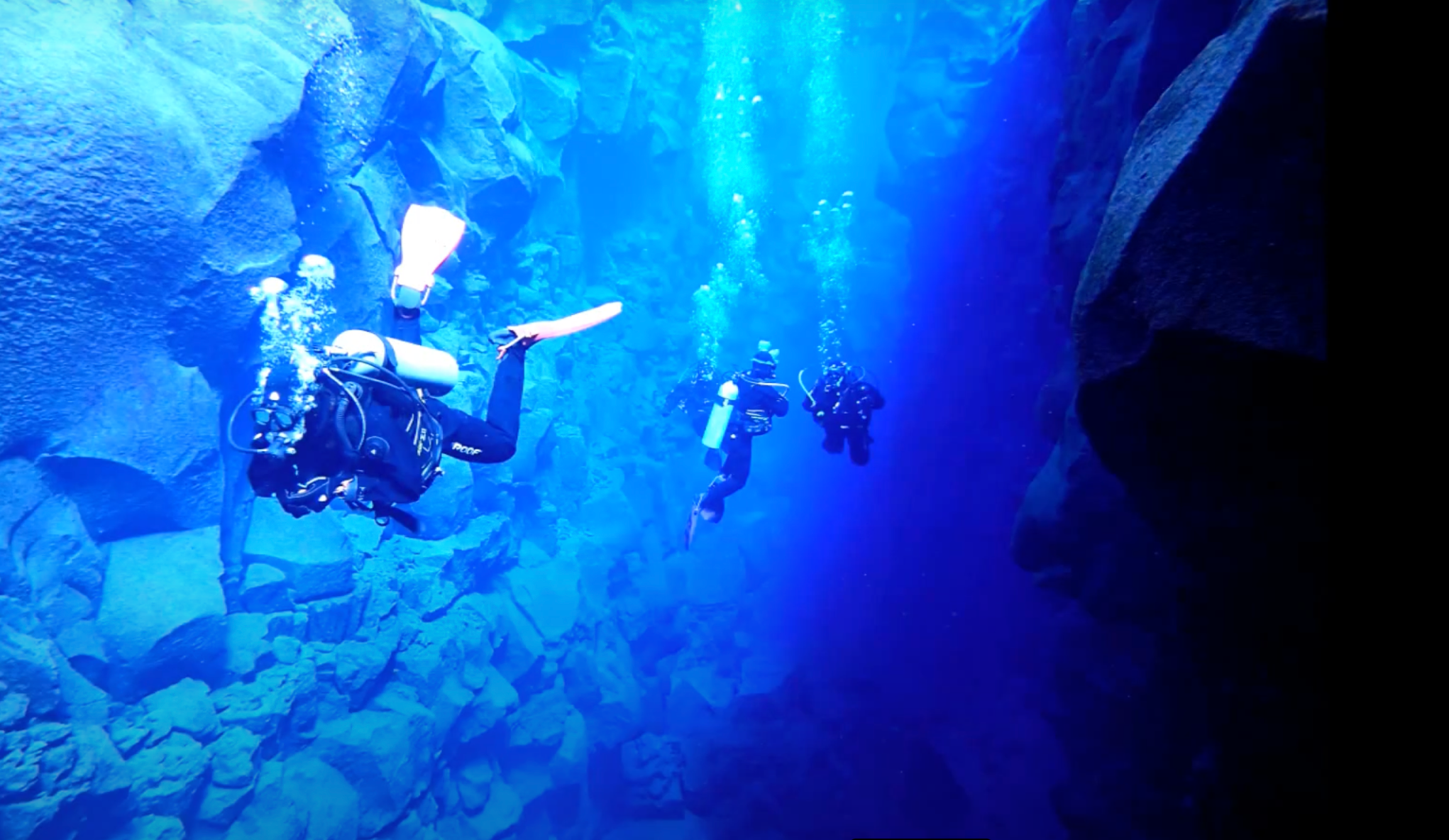
Discover a magical and unique diving experience in the heart of Icelandic nature: diving in the Silfra Fissure.
An Experience Like No Other
Imagine swimming between two of the world’s largest tectonic plates: the Eurasian Plate and the North American Plate. In the crystal-clear waters of Silfra, you will find yourself in a natural corridor that separates the two continents.
This is not an ordinary dive—it is an extraordinary adventure that takes you deep into geology and history, in one of the most famous dive sites in the world.
Exceptional Visibility and Pristine Waters
You will be amazed by water visibility that can exceed 100 meters, making the Silfra dive feel almost like flying through space.
The water originates from the Langjökull glacier, filtered naturally through lava rock for decades. It is not only incredibly clear but also considered some of the purest water on Earth—even safe to drink.
With temperatures ranging between 2°C and 4°C, the water offers a refreshing and unforgettable connection with untouched nature.
The Underwater Scenery
Prepare to witness a breathtaking natural canvas of vibrant colors and dramatic geological formations.
Volcanic rocks, deep blue fissures, and mesmerizing light reflections create a surreal underwater landscape. As you descend into these pristine waters, you will feel as if you have entered a completely different world beneath the surface.
Main Dive Areas in Silfra
Silfra Big Crack
The narrowest section of the fissure, where you can literally touch the two continental plates with your hands—a once-in-a-lifetime experience.
Silfra Hall
A wider section that offers stunning panoramic views of the clear water and volcanic formations.
Silfra Cathedral
The most majestic part of the dive, with towering rock walls and breathtaking depth that inspire awe.
Silfra Lagoon
The perfect ending to the dive, where the fissure opens into a calm lagoon reflecting the blue sky above.
A Comfortable and Complete Adventure
No need to worry about planning. Coral Beach Diving organizes trips starting from Dammam to Reykjavík, including transportation to and from the dive site.
The full experience typically spans five days, including preparation, training, and high-quality diving equipment. With professional guides by your side, you can feel confident and safe while enjoying every moment underwater.
Why Choose Silfra Diving?
- A World-Class Destination: Ranked among the best dive sites in the world and a dream for divers everywhere.
- Geological Wonder: Dive between continents and witness millions of years of Earth’s history.
- Peaceful Nature: Experience unmatched tranquility far from the noise of the modern world.
- Unforgettable Memories: A truly unique experience that few places on Earth can offer.
Time for Adventure
If you are looking for a diving experience that goes beyond the ordinary—one that sparks curiosity and awakens your senses—Silfra is the perfect destination.
At Coral Beach Diving, we can arrange your journey to Silfra, combining breathtaking natural beauty, thrilling adventure, and the fascinating history hidden beneath Iceland’s waters.
Book your experience today and begin your journey into the extraordinary world of Silfra.
The Importance of First Aid
November 11, 2025 Coral Beach
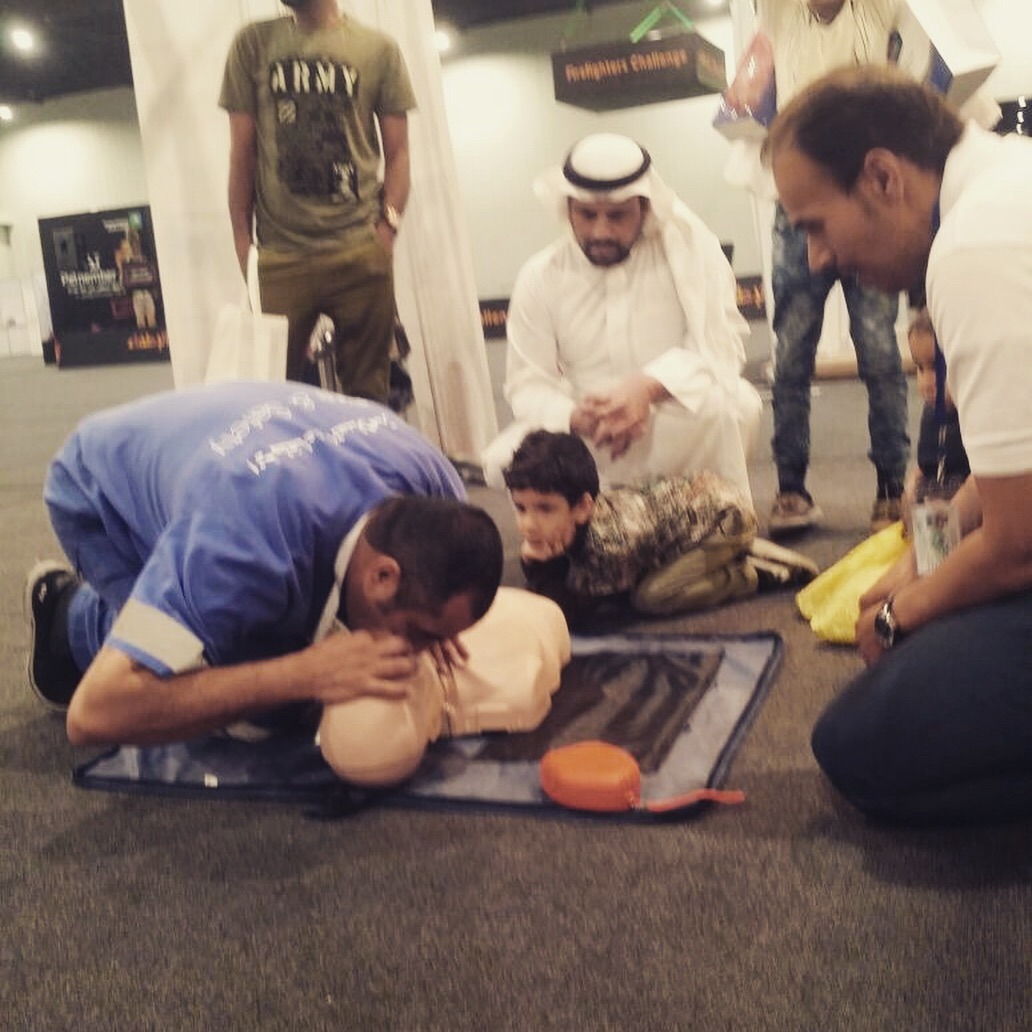
First aid is one of the essential skills that everyone should possess, as it can make a significant difference between life and death during emergencies. It provides an immediate response to accidents and injuries, helping to reduce their negative impact and potentially save lives. Below are some key reasons why first aid is so important in our daily lives.
1. Saving Lives
First aid increases the chances of survival before professional medical help arrives. For example, performing cardiopulmonary resuscitation (CPR) during cardiac arrest can be crucial in restoring blood circulation and breathing for the victim.
2. Reducing the Severity of Injuries
Quick action during an accident can reduce the severity of injuries and prevent the condition from worsening. For instance, controlling bleeding or stabilizing broken bones can limit further damage and make later medical treatment more effective.
3. Increasing Awareness and Public Safety
Learning first aid raises awareness among individuals and communities, making them better prepared to deal with emergency situations. This awareness also helps reduce fear and panic during accidents.
4. Supporting Psychological Well-being
Knowing that someone nearby can provide help during emergencies creates a sense of reassurance. At the same time, those trained in first aid often experience a sense of confidence and fulfillment when they are able to assist others in critical situations.
5. Reducing Pressure on Medical Services
Providing proper initial care can reduce the need for intensive medical interventions in some cases. Early first aid can stabilize a situation and help ease the burden on hospitals and emergency medical services.
6. Practical Application in Daily Life
Minor incidents such as cuts, burns, or household injuries often require quick responses that anyone can learn through training. These skills help improve safety at home, at work, and in public spaces.
How Can You Learn First Aid?
Anyone can learn first aid by attending specialized training courses offered by trusted organizations such as the Red Crescent, medical training centers, or certified training providers. These courses typically cover essential skills such as CPR, bleeding control, burn treatment, and choking response.
Conclusion
First aid is not just a skill—it is a shared responsibility that contributes to building safer communities. Learning these skills not only helps save lives but also builds confidence and the ability to respond effectively in emergencies. For this reason, we should all recognize its importance and strive to learn it and share it with others.
Open Water Diver
November 10, 2025 Coral Beach
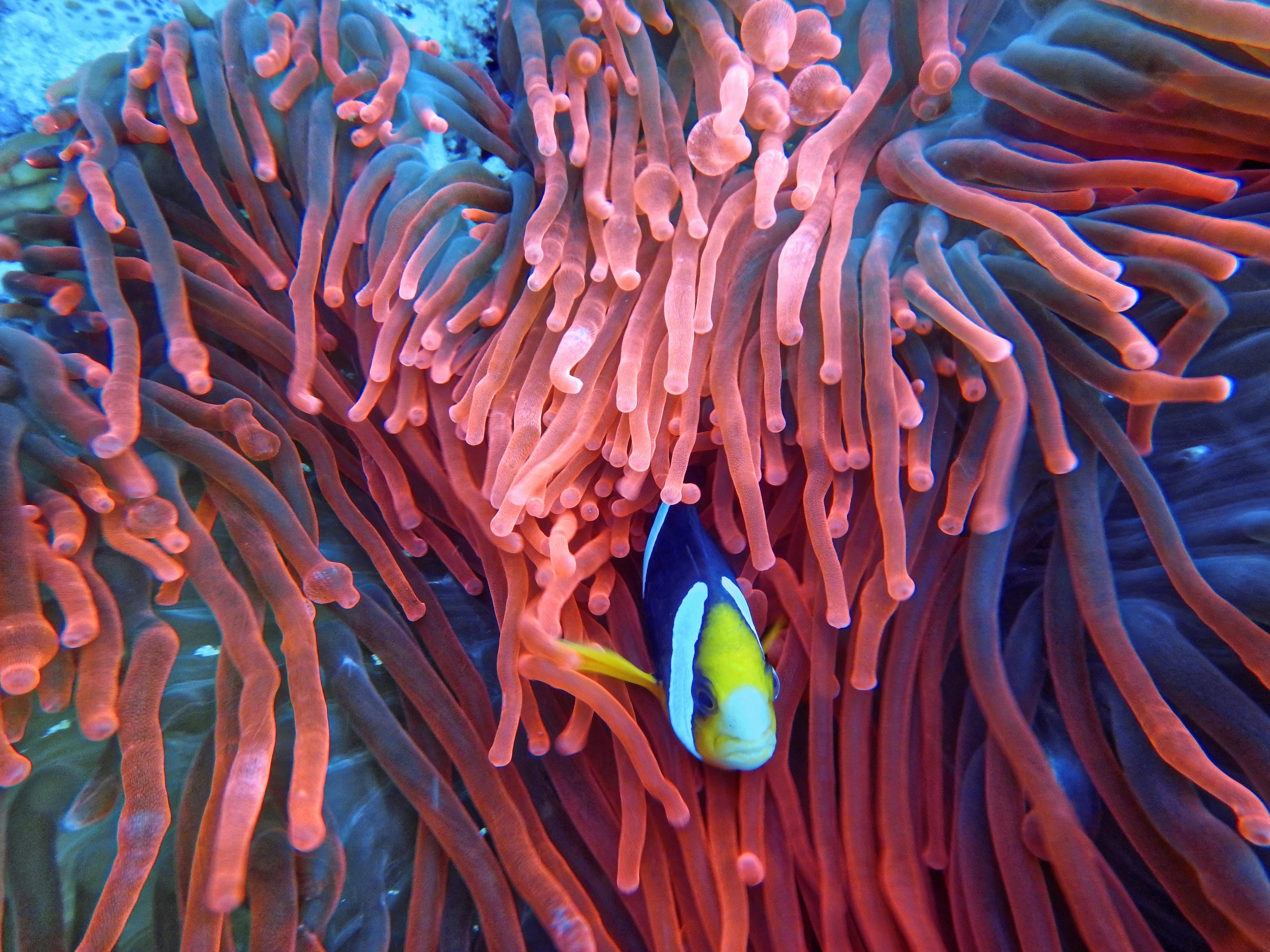
Open the door to the underwater world with the PADI Open Water Diver certification, your first step toward the freedom of diving. Learn online at a time that suits you, develop your skills in the pool, and experience diving in the sea. 🌊🤿
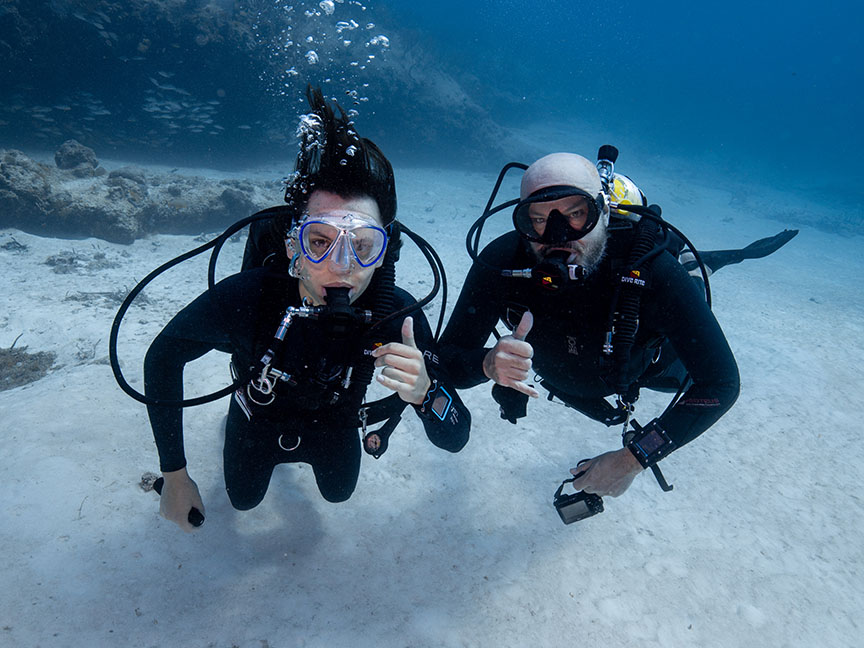
Why Should You Get a Diver Certification?
Imagine floating like an astronaut, swimming among colorful fish, or exploring shipwrecks that resemble museums beneath the sea. Scuba diving offers a unique experience to explore the underwater world. With the SDI Open Water Diver certification, you can access this world safely and confidently, equipped with environmental awareness and a spirit of adventure. Divers also become part of a global community that shares the same passion for discovering what lies beneath the surface.
Diving is not just a sport; it is an experience that allows you to witness life underwater. It is an activity that can be enjoyed at almost any age and can easily become part of your travels to some of the most beautiful and remote destinations in the world. The certification is your license to these experiences and the starting point for many advanced diving opportunities.
Who Can Benefit from the Open Water Diver Certification?
The SDI Open Water Diver certification is designed for:
- Individuals who want a comprehensive introduction to scuba diving
- People interested in underwater exploration and marine life
- Anyone looking to participate in a new recreational activity
Whether you are 15 or 65 years old, this certification is designed for those with a sense of adventure and a love for the natural world. Younger enthusiasts between 12 and 14 years old can also start their journey through the Junior Open Water Diver program.
What Skills Will You Learn?
Understanding the Marine Environment
Learn how visibility, light, sound, and heat loss behave differently underwater, and how tides, currents, waves, and sudden depth changes affect diving.
Physics and Physiology
Understand the principles of buoyancy, pressure, air spaces, and the effects of breathing compressed air.
Equipment Mastery
From choosing and assembling gear to maintaining it properly, you will learn how to handle diving equipment with confidence.
Dive Planning and Safety
Develop essential skills such as underwater navigation, buddy systems, emergency procedures, and basic rescue techniques.
By the end of the course, you will be prepared to conduct open water dives, continue your diving education, and join the global community of certified recreational divers.
Are You Ready to Become a Diver?
Step into an adventure that can transform your life—where learning meets passion. Earning your certification doesn’t just allow you to explore the underwater world; it also helps you grow as an individual and as part of the global diving community.
With SDI, you won’t just receive a certification—you will enter an exclusive world of underwater wonders.
Book your next course through the Training Courses section and start your diving journey today!